Reliable Water Damage Solutions: Your Associate in Recuperation and Restoration
Water harm can greatly affect real estate integrity and value. Trusted water damage services play an crucial role in the restoration process. They offer expertise and advanced equipment to handle these challenges efficiently. Understanding the steps required in restoration is vital. Homeowners must recognize the importance of choosing dependable professionals. What specific benefits do these services provide, and how do they guarantee a safe and complete restoration? The answers may astonish you.
How Water Damage Affects Your Property
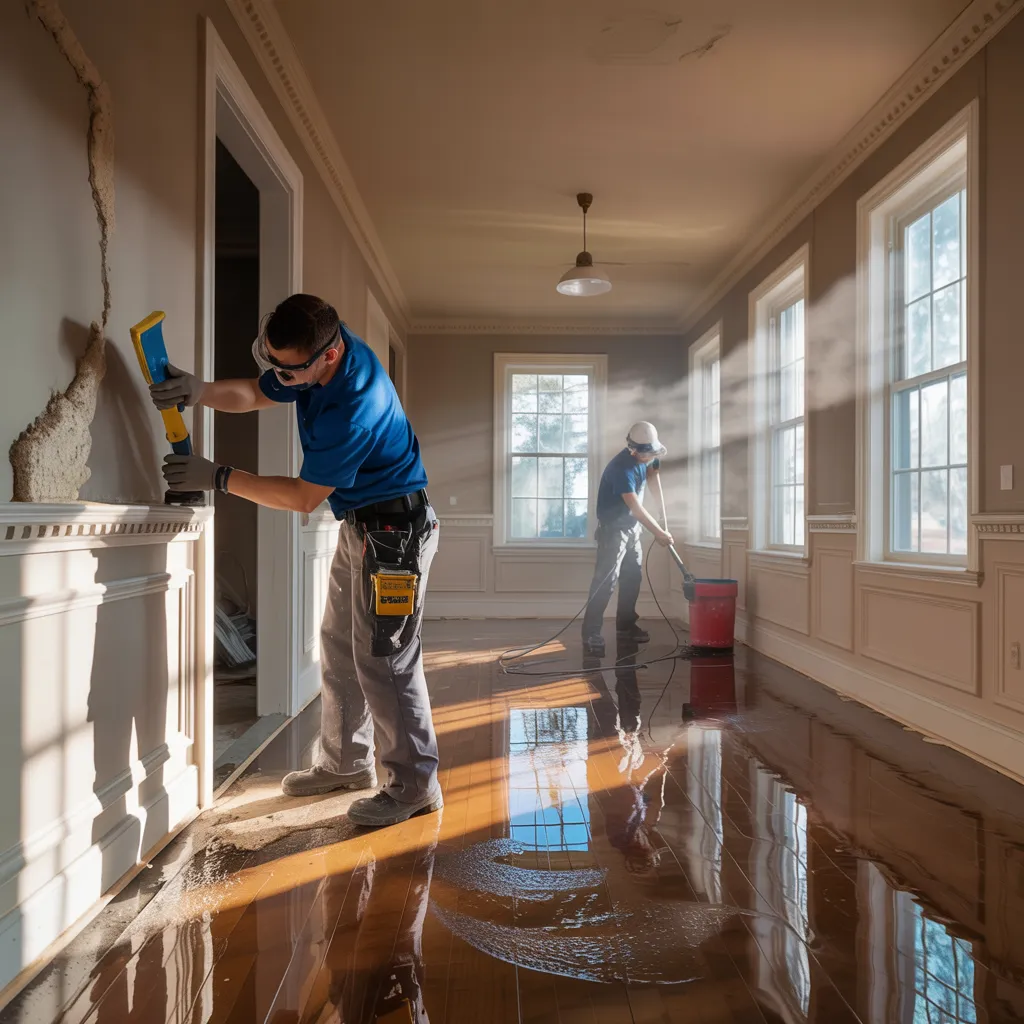
Water damage can devastate a property, resulting in considerable aesthetic and structural issues. It weakens the stability of walls, ceilings, and foundations, often causing pricey repairs. Sustained exposure to moisture facilitates mold growth, which creates health risks and can even deteriorate building materials. Floors may curve, and electrical systems can become hazardous view this guide when water infiltrates wiring.
Beyond structural issues, water harm influences a property's worth. Homes with a record of water problems may deter potential buyers, leading to decreased market appeal. The visual attractiveness declines as surfaces become marked or discolored, producing an uninviting atmosphere.
Additionally, the mental strain on homeowners can be substantial, as they face the anxiety of remediation and budgetary concerns. Grasping these consequences is critical for homeowners in recognizing the importance of early action and expert guidance in resolving water damage effectively.
Key Procedures in Water Damage Restoration
An effective water damage restoration requires a methodical strategy to ensure comprehensive restoration and avoid further problems. The initial stage is evaluation, where experts assess the severity of damage and determine the source of water intrusion. Next, water removal is conducted to eliminate accumulated water using advanced machinery, reducing the risk of mold growth.
After extraction, comprehensive desiccation and moisture control are critical. This step makes certain that all damaged surfaces, such as walls and flooring, are completely dried. Subsequently, cleaning and sanitizing take place to eliminate contaminants and odors, protecting the property's health.
Finally, remediation processes involve repairing or replacing damaged structures and materials, sending the establishment to its pre-damage condition. Each step must be accomplished with care to verify successful reclamation and to curtail long-term damage. This wide-ranging process highlights the criticality of professional competence in maneuvering the complexities of water damage restoration.

Why Selecting Reliable Water Damage Services Is Important
How can property owners ensure their homes are restored to safety and comfort after water damage? The answer lies in selecting trusted water damage services. These experts provide expertise and advanced tools vital for successful restoration. A reputable service not only handles immediate concerns but also evaluates long-term damage, preventing issues such as mold growth and structural instability.
Picking a established provider guarantees compliance to industry standards and area requirements, protecting the asset and its occupants. Experienced practitioners utilize advanced strategies to detect concealed moisture, a key factor in meticulous reconstruction. Also, trusted services often offer coverage, granting peace of mind that the job will be executed correctly.
Finally, choosing a reputable water damage service can meaningfully impact the restoration sequence, producing accelerated restoration times and reducing further damage. This intentional choice is fundamental for warranting a home returns to its safe and comfortable state efficiently.
Seeking the Best Solutions for Water Damage?
When confronting water damage, people must first evaluate the severity of the damage to establish the necessary course of action. Investigating local services can offer options, but it is crucial to evaluate their qualifications to ensure reliable aid. This method helps in obtaining successful and dependable help for recovery work.
Assessing Harm Severity
Determining the severity of water damage is crucial for pinpointing the appropriate reaction and solutions. Professionals often divide damage into three levels: minor, substantial, and critical. Insignificant damage may involve minor leaks and surface wetness, generally manageable with basic cleanup. Moderate damage might comprise waterlogged materials that call for expert drying and rehabilitation. Critical damage often originates from major flooding, leading to building concerns and potential mold growth. Correct assessment requires inspecting affected areas, documenting the extent of damage, and identifying any hazardous materials. This thorough evaluation not only directs the restoration process but also helps homeowners recognize the necessity of addressing the issue. Consulting experts early secures efficient recovery and minimizes long-term consequences for the property.
Looking into Local Providers
Identifying appropriate assistance for water damage can substantially affect the restoration process. Local establishments frequently supply rapid responses, critical for preventing further damage. People need to commence undertaking in-depth online research, prioritizing ratings and testimonials to evaluate customer contentment. Advice from family members or friends may also guide toward reliable alternatives. It is critical to ensure that these services are properly licensed and insured, maintaining quality standards and responsibility. Moreover, investigating local directories and community resources can discover supplementary options. Through creating a list of qualified prospects, individuals can more thoroughly evaluate their selections and make well-considered decisions. Ultimately, opting for the right local service can greatly lessen the burden of water restoration work. can surface supplementary resources. By assembling a list of viable prospects, people can more carefully assess their options and reach informed conclusions. Eventually, choosing the right local service can significantly alleviate the strain of water damage recovery.| Discovering suitable support for water-related issues can profoundly influence the restoration timeline. Local providers customarily deliver timely responses, essential for minimizing additional harm. People must begin by executing thorough internet research, focusing on reviews and ratings to determine satisfaction metrics. Recommendations from family or friends may too direct to dependable options. It is imperative to verify that these providers are insured and properly licensed, upholding professional standards and responsibility. In addition, examining local directories and community boards can surface additional resources. By putting together a collection of potential candidates, individuals can better assess their options and arrive at sound conclusions. Ultimately, opting for the right local service can greatly ease the hardship of water damage recovery.
Evaluating Service Credentials
After assembling a list of local water damage services, the next step involves evaluating their credentials to guarantee reliability and expertise. Prospective clients should check for certifications from established bodies, such as the Institute of Inspection, Cleaning and Restoration Certification (IICRC). These certifications indicate that the service provider conforms to industry standards and best practices. Additionally, reviewing customer testimonials and online ratings can offer insights into the quality of service. It is also wise to inquire about insurance coverage and warranties, which can deliver further confirmation of professionalism and accountability. Finally, analyzing the company's years of experience in the field can help assess their capability to manage various water damage situations effectively.
What to Expect During Water Damage Restoration
During moisture remediation, building occupants can anticipate a methodical strategy intended to restore their area to its undamaged state. The undertaking typically begins with a thorough inspection, where professionals identify the extent of the damage and create an action plan. This is followed by water removal, utilizing high-tech machinery to extract standing water quickly.
Once the area is fully dry, the priority shifts into dehumidification and desiccation, making certain that water is fully extracted from elements to avert mold growth. After rigorous drying, restoration activities include fixing or exchanging affected structures, such as drywall and floor surfaces.
Throughout this process, communication is critical; property owners are kept informed about progress and any additional findings. Finally, a thorough cleaning and sanitization step guarantees the space is safe for habitation, completing the restoration journey and allowing homeowners to return to their restored environment with confidence.
Actions for Mitigating Future Water Injury Risks
To avoid future water damage, it is crucial to establish regular maintenance checks throughout the property. This forward-thinking strategy can identify potential issues before they escalate. Additionally, creating proper drainage solutions is vital for keeping water out of vulnerable areas.
Consistent Maintenance Inspections
Consistent maintenance checks play an essential role in preventing future water damage risks by allowing homeowners to recognize and tackle potential problems before they escalate. Scheduled inspections of plumbing systems, including pipes and fixtures, help detect leaks or signs of wear and tear. Furthermore, examining roofs for missing shingles and keeping gutters clear promotes proper water flow away from the home. It is also necessary to inspect windows and doors for compromised seals, which can result in moisture penetration. By arranging regular maintenance, homeowners take proactive steps to reduce water damage risks, ultimately saving time and money while keeping their property’s integrity intact.
Correct Water Flow Remedies
How can homeowners effectively prevent water damage? Applying correct drainage solutions is vital. First, ensuring that gutters and downspouts are clean and functional assists to divert rainwater away from the home’s foundation. Property owners should also take into account landscape grading to encourage water to flow away from the building, thus lowering water pooling near the foundation. Additionally, the installation of drainage systems like sump pumps or French drains can control effectively extra water in critical zones. Ongoing inspections and maintenance of these systems is key for their proper operation. By giving priority to these drainage strategies, property owners can significantly decrease the possibility of water intrusion, protecting their property from the expensive impact of water penetration. Proper drainage is a proactive investment in the lasting durability of a home.
Frequently Asked Questions
What Schedule Should I Maintain After Finding Water Damage?
When you discover water damage, immediate action is essential. Professionals suggest tackling the issue within 24 to 48 hours to prevent mold growth and additional structural damage, guaranteeing a more successful restoration process and reducing long-term consequences.
Does My Insurance Cover Water Damage Restoration Expenses?
Insurance protection for water damage restoration varies according to plan. Generally, home insurance could cover such expenses when the damage results from a covered peril. It is prudent to review the exact coverage terms or consult an agent.
Should I need to vacate my residence while renovation is underway?
When undergoing restoration, your capacity to occupy the residence is determined by the magnitude of deterioration and restoration work. If comprehensive restoration are needed or threatening circumstances exist, temporary relocation may be mandatory for safety and comfort.
What Machinery Is Applied in Water Damage Remediation?
Water damage restoration efforts typically uses equipment including industrial dehumidifiers, air movers, moisture meters, and extraction pumps. These devices combine to remove water, dry affected areas, and prevent mold expansion productively.
How Can I Block Mold After Water Damage?
To avoid mold following water damage, ensure there is sufficient ventilation, use dehumidifiers, dry out affected areas promptly, and clean surfaces with anti-mold products. Regularly inspect hidden spaces for moisture to keep a clean environment.